IATEFL RESEARCH SIG
  • Welcome
  • About
    • Committee
    • Join us
    • Contact us
  • Coming soon!
  • ReSIG News
  • ReSIG Members Area
  • Scholarship Winners Gallery
  • Teachers Research! Online Conference
  • Publishing opportunities
  • The MA ELT Quick Fire Presentation Event 2024
  • IATEFL International Conference
  • Teacher Research and/for the Global South Conference 2022
  • Online discussions
  • Webinars
    • MaWSIG & ReSIG : Research in Materials: a Joint Conference
    • Webinar: Investigating second language writing processes: Methodological advances and challenges
    • WEBINAR: Pedagogical approaches to the teaching of formulaic language
    • WEBINAR: Enhancement mentoring for teacher-research: a hopeful response to Covid-19
    • WEBINAR: The COVID-19 challenge and the teaching implications till now
    • WEBINAR: Conceptualising Practitioners’ Online Research in the COVID-19 Era
    • WEBINAR: Foreign language learner anxiety
    • Action Research: Collecting and analysing
    • Reflective tools for teacher development
    • EP in EAP webinar
    • Video in English language teacher education webinar
    • Webinar by Emily Edwards
  • ReSIG-GISIG project with Africa TESOL
    • ReSIG-GISIG project with Africa TESOL >
      • Pre-Conference Event (PCE) Africa TESOL
  • Publications
    • Books >
      • Stories by Teacher Researchers in an Online Research Community (2019)
      • Empowering Teacher-Researchers, Empowering Learners (2018)
      • ELT Research in Action (2018)
      • Developing Insights into Teacher-research (2017)
      • Developing as an EFL Researcher (2017)
      • Teachers Engaging in Research (2016)
      • Teacher-researchers in Action
      • Teachers Research!
    • Newsletter >
      • Issue 40
      • Issue 39
      • Issue 38
      • Issue 37
      • Issue 36
      • Issue 35
      • Issue 34
      • Issue 33
      • Issue 32
      • Issue 31
      • Issue 30
      • Issue 29
      • Issue 28
      • Issue 27
      • Issue 26
      • Issue 25
      • Issue 24
      • Issue 23
      • Issue 22
      • Issue 21
      • Issue 20
      • Issue 19
      • Write an article for ELT Research
  • Resources
  • Past Events
    • Zoltán Dörnyei: Questionnaire Design and Analysis
  • Teacher Research reports
  • Teachers research! 1 April 2014
    • Background to 'Teachers Research!'
    • Introduction to the Day
    • Christina Gkonou
    • Katie Moran
    • Becky Steven & Jessica Cobley
    • Esma Asuman Eray
    • Jayne Pearson
    • Bushra Ahmed Khurram
    • Elena Oncevska
    • Claire Fielder
    • Yasmin Dar
    • Angie (Akile) Nazim & Emily Mason
    • Oriana Onate
    • Martin Dutton & Arizio Sweeting
    • Ana Inés Salvi
    • Cynthia James
    • Discussion of teacher-research
    • Harry Kuchah & Richard Smith
    • Inés Miller
    • Judith Hanks
    • Daniel Xerri & Odette Vassallo
    • Paula Rebolledo & Tom Connelly
    • Final reflections
  • In the World
    • Cameroon
    • Chile
    • India
    • Kenya
    • South Eastern Europe
    • Turkey
  • Archive


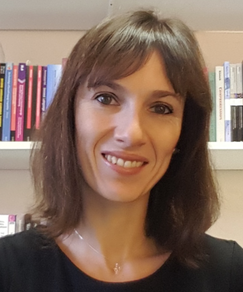
'Pedagogical approaches to the teaching of formulaic language'

by Dr Ana Pellicer-Sanchez (UCL)

25 September 2021 (11.00-12.00 UK time)

Registration is now open! Click here
Picture
Abstract: Knowledge of formulaic language is essential for achieving high levels of proficiency in a second language. It is now widely agreed that formulaic sequences (i.e., collocations, lexical bundles, idioms, etc.) should be a component of the vocabulary learning curriculum and that they should be taught alongside single-word items. Although vocabulary research traditionally focused on the teaching and learning of single words, the last decade has witnessed an unprecedented increase in the number of studies examining the effectiveness of different approaches to the teaching and learning of formulaic sequences. Research has shown that formulaic sequences can be learnt from a variety of approaches but that L2 learners’ knowledge of formulaic sequences lags behind their knowledge of single words and that they tend to use them inappropriately. This has led to the claim that formulaic sequences are particularly problematic for L2 learners, but research has only partially supported this assumption. This presentation will provide an overview of research exploring the effectiveness of different approaches to the teaching of formulaic sequences and will review empirical evidence comparing the acquisition of single words and formulaic sequences. Pedagogical implications of these findings and directions for future research will also be discussed. 
Proudly powered by Weebly
  • Welcome
  • About
    • Committee
    • Join us
    • Contact us
  • Coming soon!
  • ReSIG News
  • ReSIG Members Area
  • Scholarship Winners Gallery
  • Teachers Research! Online Conference
  • Publishing opportunities
  • The MA ELT Quick Fire Presentation Event 2024
  • IATEFL International Conference
  • Teacher Research and/for the Global South Conference 2022
  • Online discussions
  • Webinars
    • MaWSIG & ReSIG : Research in Materials: a Joint Conference
    • Webinar: Investigating second language writing processes: Methodological advances and challenges
    • WEBINAR: Pedagogical approaches to the teaching of formulaic language
    • WEBINAR: Enhancement mentoring for teacher-research: a hopeful response to Covid-19
    • WEBINAR: The COVID-19 challenge and the teaching implications till now
    • WEBINAR: Conceptualising Practitioners’ Online Research in the COVID-19 Era
    • WEBINAR: Foreign language learner anxiety
    • Action Research: Collecting and analysing
    • Reflective tools for teacher development
    • EP in EAP webinar
    • Video in English language teacher education webinar
    • Webinar by Emily Edwards
  • ReSIG-GISIG project with Africa TESOL
    • ReSIG-GISIG project with Africa TESOL >
      • Pre-Conference Event (PCE) Africa TESOL
  • Publications
    • Books >
      • Stories by Teacher Researchers in an Online Research Community (2019)
      • Empowering Teacher-Researchers, Empowering Learners (2018)
      • ELT Research in Action (2018)
      • Developing Insights into Teacher-research (2017)
      • Developing as an EFL Researcher (2017)
      • Teachers Engaging in Research (2016)
      • Teacher-researchers in Action
      • Teachers Research!
    • Newsletter >
      • Issue 40
      • Issue 39
      • Issue 38
      • Issue 37
      • Issue 36
      • Issue 35
      • Issue 34
      • Issue 33
      • Issue 32
      • Issue 31
      • Issue 30
      • Issue 29
      • Issue 28
      • Issue 27
      • Issue 26
      • Issue 25
      • Issue 24
      • Issue 23
      • Issue 22
      • Issue 21
      • Issue 20
      • Issue 19
      • Write an article for ELT Research
  • Resources
  • Past Events
    • Zoltán Dörnyei: Questionnaire Design and Analysis
  • Teacher Research reports
  • Teachers research! 1 April 2014
    • Background to 'Teachers Research!'
    • Introduction to the Day
    • Christina Gkonou
    • Katie Moran
    • Becky Steven & Jessica Cobley
    • Esma Asuman Eray
    • Jayne Pearson
    • Bushra Ahmed Khurram
    • Elena Oncevska
    • Claire Fielder
    • Yasmin Dar
    • Angie (Akile) Nazim & Emily Mason
    • Oriana Onate
    • Martin Dutton & Arizio Sweeting
    • Ana Inés Salvi
    • Cynthia James
    • Discussion of teacher-research
    • Harry Kuchah & Richard Smith
    • Inés Miller
    • Judith Hanks
    • Daniel Xerri & Odette Vassallo
    • Paula Rebolledo & Tom Connelly
    • Final reflections
  • In the World
    • Cameroon
    • Chile
    • India
    • Kenya
    • South Eastern Europe
    • Turkey
  • Archive